 Specialization
Dangerous Goods Logistics
Coordination for regulated commodities under IATA DGR, IMDG Code, and ADR. From shipment classification support to carrier pre-approvals and safety packaging.
Explore Service
Arham Logistics coordinates specialized cargo and freight solutions with a focus on careful handling, shipment documentation, regulatory requirements, and reliable communication throughout the logistics process.

Karachi East headquarters coordinating regional and international cargo movements.
Arham Logistics coordinates specialized cargo and freight forwarding solutions designed for businesses that require high standards of care, regulatory adherence, and consistent communication. From precision documentation for sensitive chemicals to multimodal freight across air, ocean, and highway corridors, our operational methodology prioritizes safety and compliance.
In a complex international supply chain environment, mishandled documentation, incorrect labeling, or improper mode selection can result in costly delays, carrier rejections, or safety hazards. We work directly with shippers to assess shipment characteristics, establish compliant packaging, verify classification requirements, and manage carrier communication from cargo staging to destination handover.
Every cargo category requires specific handling frameworks. Explore our specialized freight coordination, documentation, and multimodal transportation services.
Specialization
Coordination for regulated commodities under IATA DGR, IMDG Code, and ADR. From shipment classification support to carrier pre-approvals and safety packaging.
Explore Service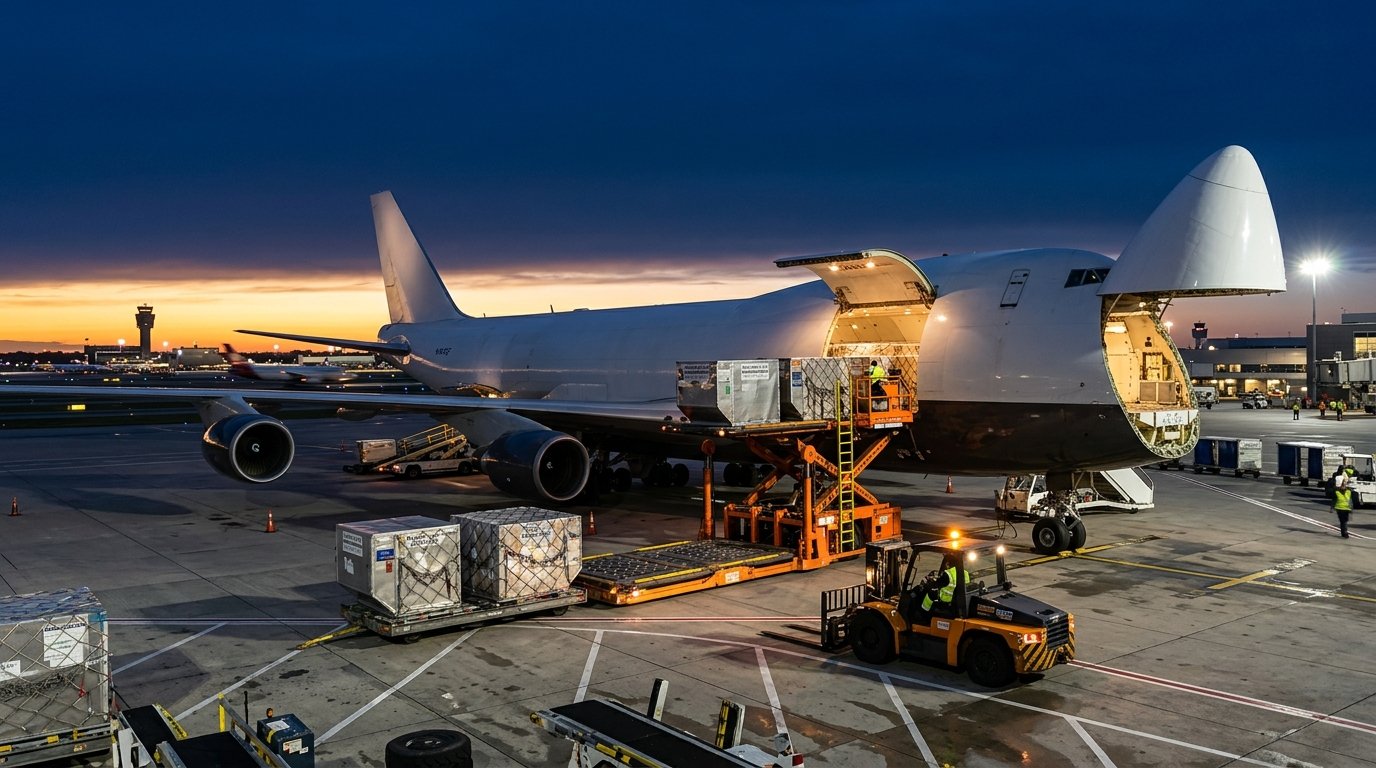 Expedited
Scheduled airport-to-airport and door-to-airport routing for high-value, time-critical, and temperature-sensitive shipments through commercial cargo carriers.
Explore Service Global Ocean
FCL (Full Container Load) and LCL consolidation solutions, incorporating standard dry containers, flat racks, open tops, and refrigerated container equipment.
Explore Service Inland Transit
Domestic line-haul, port drayage, and cross-border transport options with vetted fleet carriers, secure vehicle specifications, and tracking updates.
Explore Service Regulatory
 filing assistance, HS code classification assessment, import/export declarations, and port authority coordination at Pakistani ports and global terminals.
Explore Service Compliance
Advisory and coordination for UN specification packaging, hazard placards, Shipper’s Declaration for Dangerous Goods (DGD), and Safety Data Sheet (SDS) verification.
Explore Service Cold Chain
Temperature-controlled arrangements for bio-pharma, active ingredients, and diagnostics with calibrated data logger monitoring and priority tarmac handling.
Explore Service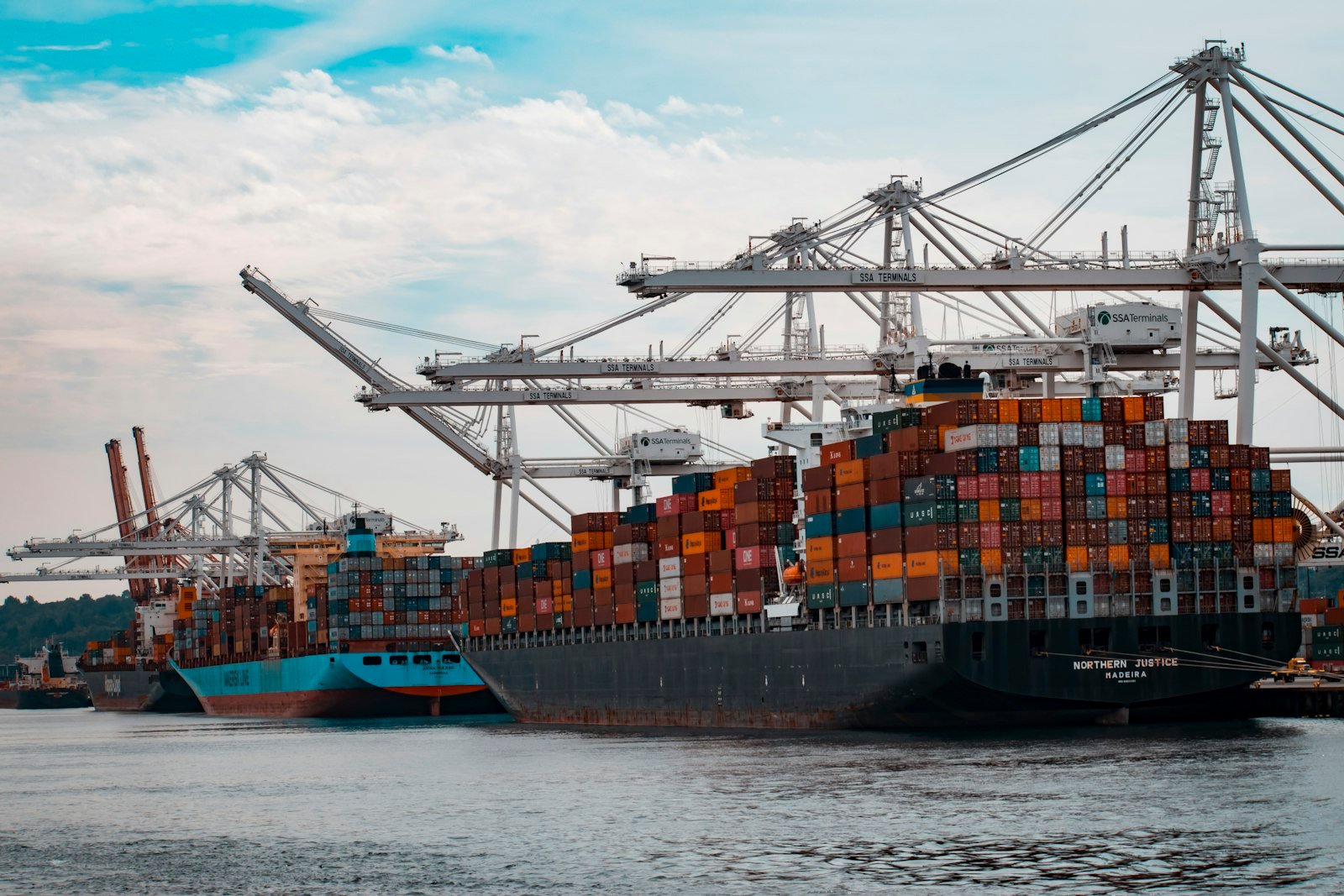 Heavy Lift
Route surveys, specialized low-bed and multi-axle trailers, heavy lift crane coordination, and custom stowage planning for oversized industrial components.
Explore Service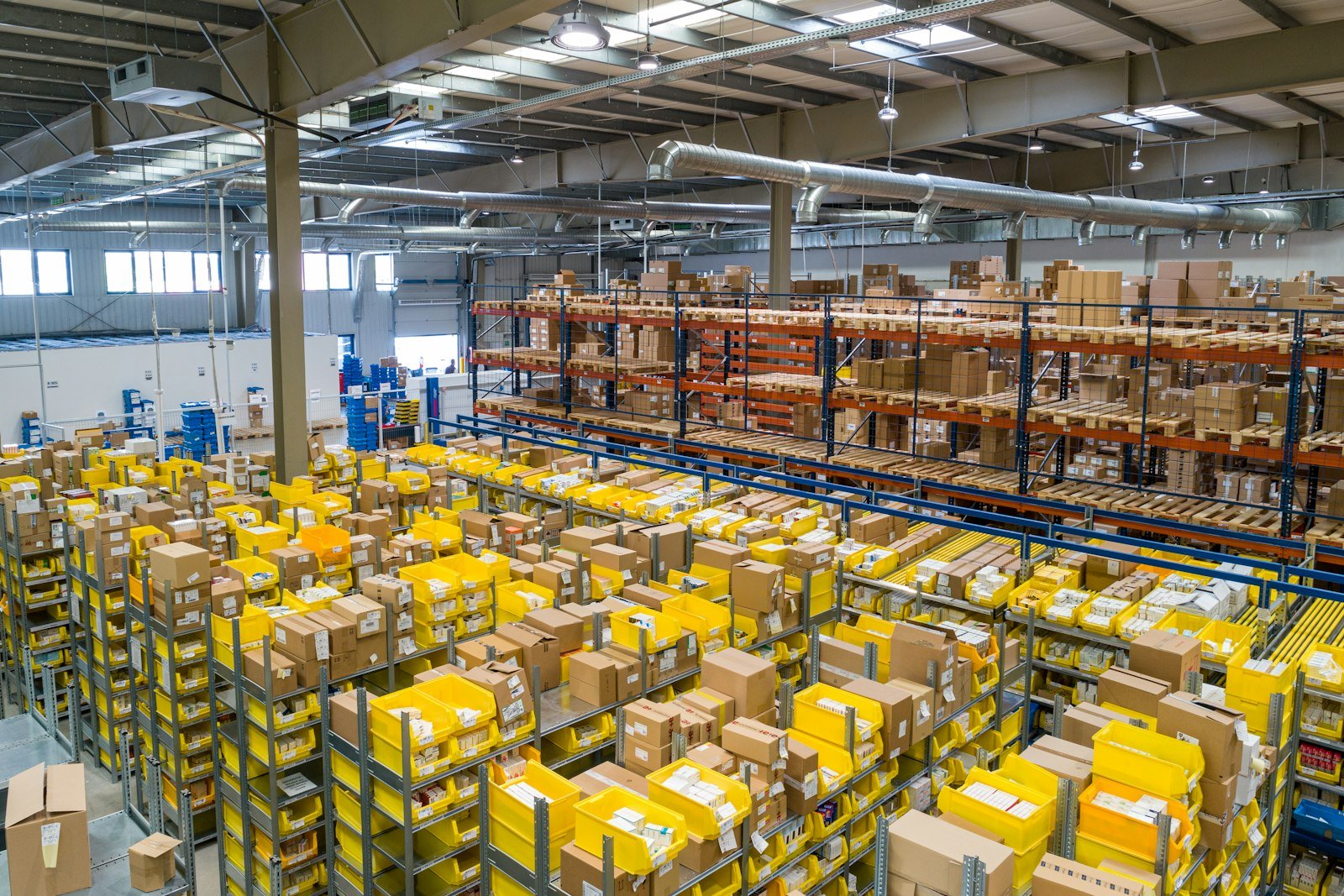 Storage
Secure inventory staging, segregation management for categorized commodities, cross-dock consolidation, and order distribution coordination.
Explore ServiceTransporting hazardous substances demands rigorous adherence to international standards. Arham Logistics assists clients in navigating the complex regulatory landscape of the IATA Dangerous Goods Regulations (DGR) for air freight, the International Maritime Dangerous Goods (IMDG) Code for ocean freight, and ADR frameworks for road corridors.
UN number verification, proper shipping names (PSN), packing groups (PG I, II, III), and hazard diamond identification.
Coordination of approved 4G, 4GV, steel drums, and secondary containment compliant with regulatory drop and pressure tests.
Application of primary hazard, subsidiary risk, handling labels (Cargo Aircraft Only), and orientation arrows.
Preparation review for Shipper's Declaration for Dangerous Goods (DGD), multimodal DG forms, and emergency contact details.
Pre-clearance with airline DG desks and ocean carrier dangerous goods officers to prevent port gate rejections.
Section IA, IB, and II handling guidance for standalone lithium-ion (UN 3480) and equipment-contained batteries.
From initial cargo review to delivery confirmation, our five-stage operational framework ensures transparency, compliance, and proactive communication.
You share commodity specifications, Safety Data Sheets (if applicable), weight, volume, origin, and required delivery window.
We evaluate carrier schedules, route restrictions, multimodal connections, and port handling capabilities to establish the optimal pathway.
Verification of shipping documents, declarations, export licenses, carrier booking approvals, and packaging compliance.
Cargo dispatch, customs filing, freight handover to carrier, and structured milestone updates provided to your logistics desk.
Arrival coordination, destination clearance liaison, and final handover to consignee with proof of delivery documentation.
Sector-specific logistics requirements demand deep domain familiarity. We coordinate freight for industries with exacting safety standards.

Specialty chemicals, polymers, catalysts, and raw materials requiring certified packaging and DG declarations.
View Capabilities →
Active pharmaceutical ingredients (APIs), diagnostic reagents, and medicines demanding strict thermal stability.
View Capabilities →
Solar inverters, high-capacity lithium storage banks, electrical switchgear, and energy infrastructure freight.
View Capabilities →
Industrial machinery components, replacement subassemblies, automotive supplies, and raw materials logistics.
View Capabilities →
Oversized machinery, construction modules, power generation units, and heavy industrial gear requiring specialized transport.
View Capabilities →
Consumer goods, textiles, hardware, and commercial trade merchandise moved via reliable containerized sea and air lines.
View Capabilities →Logistics excellence is defined by the details: accurate paperwork, appropriate equipment selection, and responsive human coordination.
Every commercial invoice, packing list, MSDS, and transport declaration is cross-referenced prior to tender to eliminate border holds.
We do not treat specialized cargo as standard freight. Packaging specifications, temperature tolerances, and stowage plans are engineered for the specific commodity.
Seamless handovers between ocean vessels, commercial air freight, and inland trucking corridors, coordinated under consistent oversight.
Direct access to dedicated operations personnel who understand your shipment status without endless automated phone trees.
Proactive assessment of carrier restrictions, embargoes, transshipment port congestion, and seasonal transit variables.
Clear rate quotes detailing freight components, fuel surcharges, terminal handling charges (THC), and applicable documentation fees.
Through established carrier agreements and partner networks across major transshipment hubs in the Middle East, Europe, Asia Pacific, and North America, Arham Logistics coordinates end-to-end transport for commercial and specialized commodities.

Clear, qualified answers to common questions about freight quotations, dangerous goods documentation, and multimodal shipping.
To provide a precise quotation, our team requires the cargo description, total gross weight, volume dimensions (Length × Width × Height per package), origin address or port, destination address or airport/seaport, target delivery timeline, and any special handling parameters (such as temperature control or hazard classification).
Regulated cargo requests must be accompanied by an up-to-date Safety Data Sheet (SDS/MSDS) with Section 14 (Transport Information) completed. We require the 4-digit UN Number, Proper Shipping Name, primary hazard Class (and any subsidiary risk), Packing Group (I, II, or III), and packaging type.
Air freight is calculated on chargeable weight (the greater of actual gross weight or volumetric weight at 1:6000 ratio), offering rapid transit suitable for high-value or perishable goods. Sea freight is priced on container units (FCL) or cubic meters (LCL), offering significant cost efficiency for heavy, bulk, or planned industrial cargo with longer transit horizons.
Typical documentation includes the commercial invoice, packing list, Safety Data Sheet (SDS), and the Shipper's Declaration for Dangerous Goods (DGD) for air cargo or the Multimodal Dangerous Goods Form (IMO) for ocean transit. Certain commodities also require manufacturer certificates of analysis or export permits.
Yes. Under international agreements, most regulated dangerous goods cannot travel in standard commercial boxes. They must be contained in certified UN specification packaging (such as 4G fiberboard boxes, steel or plastic drums) with appropriate UN marks, class diamond labels, and proper shipping name markings.
Key factors include fuel surcharges (BAF/FSC), carrier space availability, transshipment port congestion, customs clearance procedures, seasonal peak volumes, weather disruptions, and regulatory review steps for specialized commodities.
Reach out to our operations team to discuss your cargo characteristics, scheduling needs, and required transport documentation.